
Container LoadingModel and Color MixCarton Dimensions20GP vs 40HQ
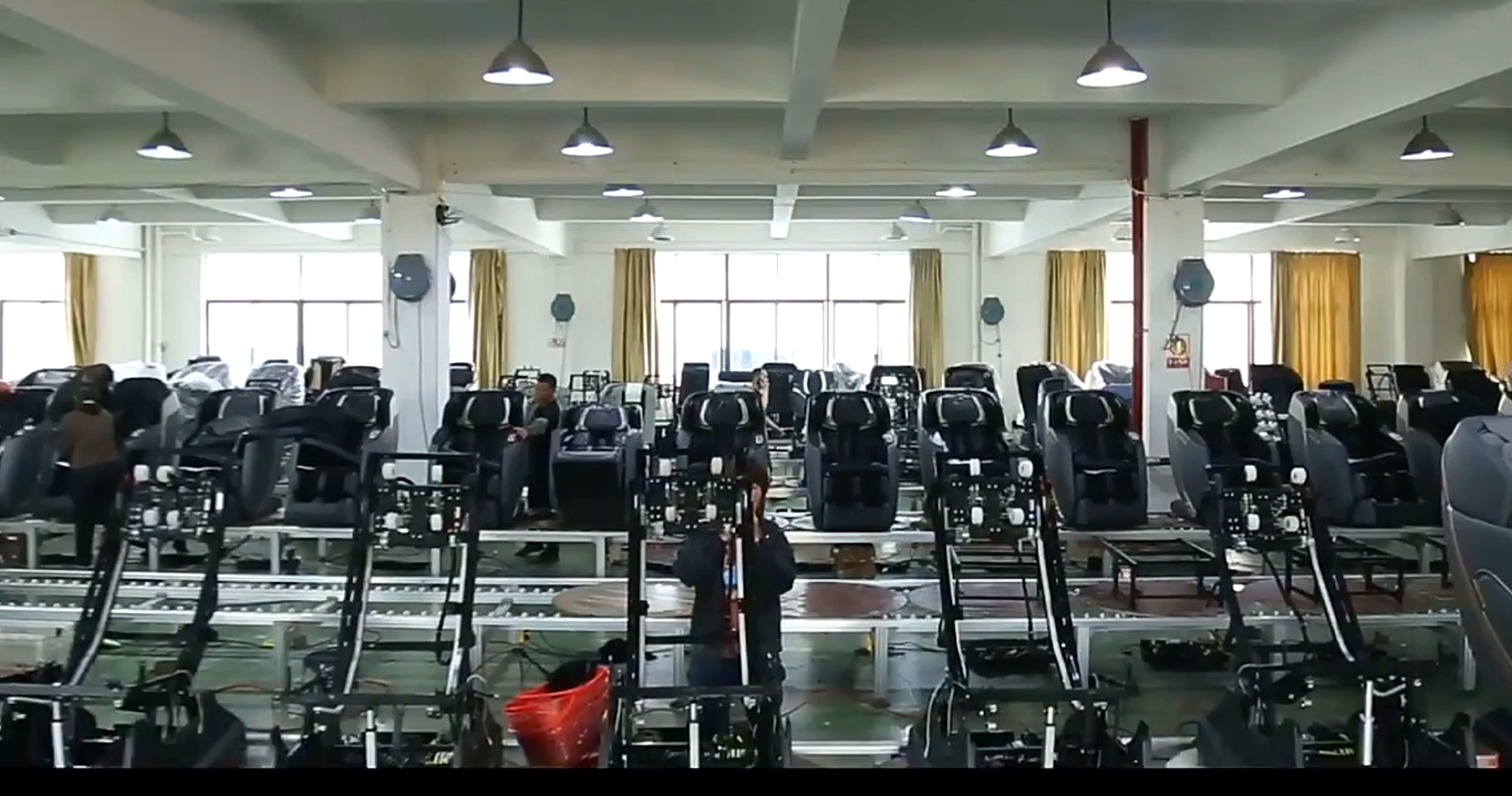
Planning a massage chair container order starts with the actual models and colors your market needs, not a generic chair count. Put each proposed combination on a sheet, collect the packed dimensions and gross weight for its cartons, and ask for a loading drawing for that exact mix.
The drawing should account for carton orientation, usable space, cargo weight distribution and securing. A spreadsheet can organize your request; it cannot establish how many cartons will physically load.
What changes between a 20GP and a 40HQ?
Container labels describe different equipment, not a chair count. Chair dimensions vary across models, and packaging, assembly state, pallets and accessories change the load. A count from another chair or packing configuration should not be copied into your plan.
Request the carton length, width, height and gross weight for every selected model; identify whether chairs ship assembled or in parts and whether the plan uses pallets. Include spare-parts cartons and destination-specific packaging. Then compare the proposed layouts for the two container options.
For either option, ask the packer to show usable floor positions, carton orientation, access at the doors, total gross mass and securing method. Confirm the final loaded carton count against the packing list.
Step 1 — Choose the models and colors to evaluate
Start with the product assortment you expect to support. Distinguish a core chair from a second model serving a different use case. A new color can also mean separate photos, samples, spare covers and after-sales documentation; note those implications before expanding the mix.

Record the model, upholstery color, destination market, voltage, plug and any requested branding or packaging on separate lines. For commercial chairs, identify the payment-terminal configuration as a separate product detail rather than assuming the same hardware on every chair.
Step 2 — Build one row per model and color
Use a model–color sheet to collect what a loader actually needs. Keep quantities as blank inputs until your proposed assortment is agreed. If carton data change after sampling, revise the sheet and ask for a new loading drawing.
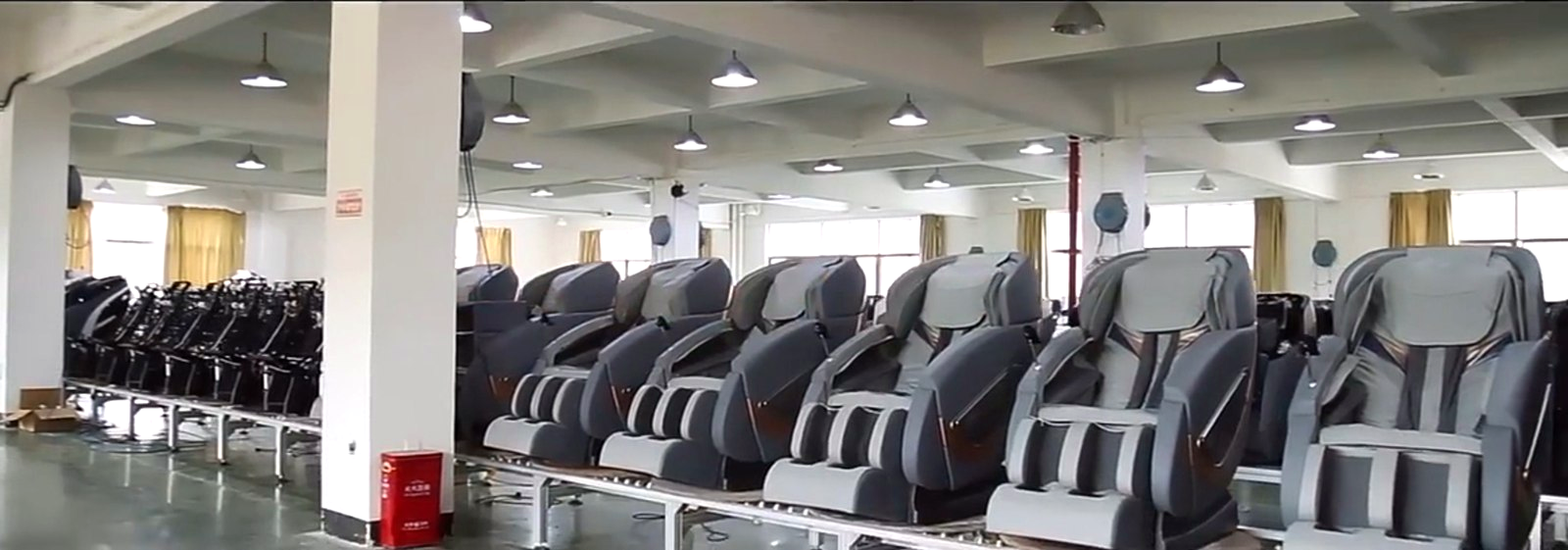
| Model / color | Planned units | Carton L × W × H | Gross weight | Market / configuration |
|---|---|---|---|---|
| Chair A / black | Enter plan | Enter carton size | Enter kg | Enter market |
| Chair A / grey | Enter plan | Enter carton size | Enter kg | Enter market |
| Chair B / black | Enter plan | Enter carton size | Enter kg | Enter market |
Request the packed measurements for the selected configuration, not just the chair dimensions when open. A reclining footprint or showroom floor measurement is not a substitute for its shipping carton.
Step 3 — Check the combination sheet against packing data

Match each line of the sheet to its carton specification. Ask whether accessories, detachable footrests or additional parts are packed in separate boxes. Keep their boxes on the loading list so they do not disappear from the drawing.
A practical handoff to the factory
Send the selected model and color rows, proposed quantities, destination market, electrical configuration and packaging requirements. Ask for a marked-up loading drawing showing which cartons go where. If the planner changes a carton dimension, request the revised layout before approving the mix.
Step 4 — Compare container layouts, not headline capacity
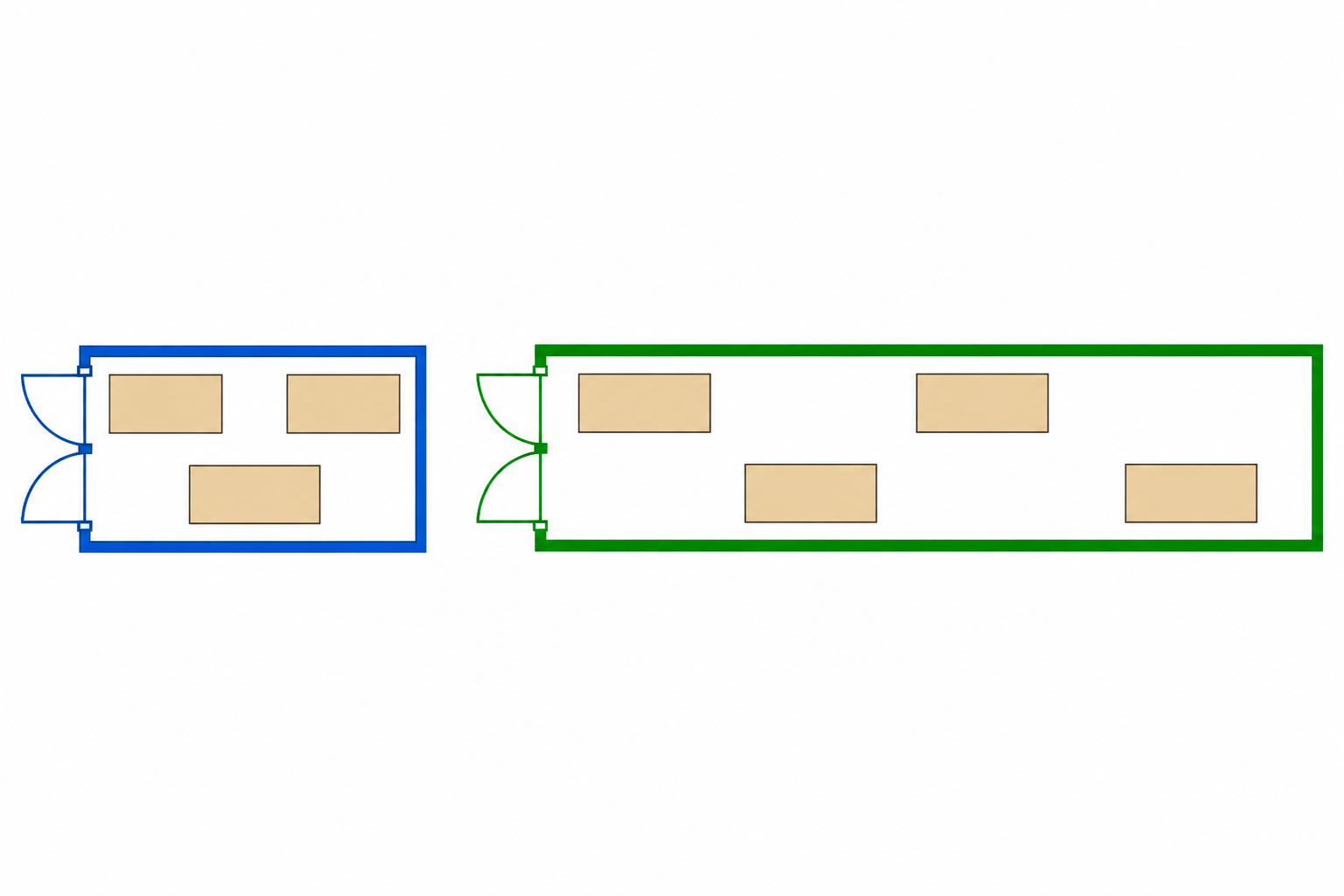
Review the 20GP and 40HQ drawings side by side using the same finalized carton data. Look for changes in orientation, pallet use, door clearance and weight distribution.
A physically workable mixed load depends on the specific cartons and the proposed arrangement. The container type alone cannot tell you whether an assortment is operationally sensible or how many models belong in the order.
Step 5 — Align the written plan with the cartons
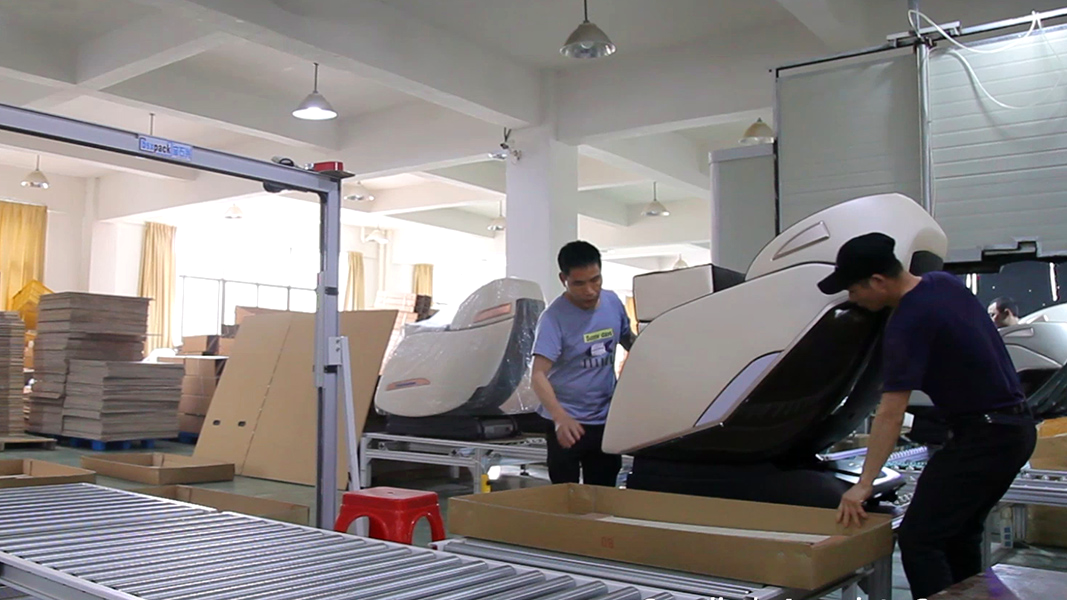
Ask the factory for a carton list, packed dimensions, gross mass, loading diagram and proposed unit count for the selected mix. Compare the drawing with the product specification and packing list so the configuration, boxes and destination details remain consistent.
For commercial chairs, confirm the intended terminal and local electrical setup separately. A payment method should not be inferred from a showroom photo. See the cashless payment terminal FAQ for configuration questions.
Step 6 — Review distribution and securing
The IMO/ILO/UNECE CTU Code provides non-mandatory guidance on packing and securing cargo transport units. It addresses cargo distribution and restraint; it is not a chair-count chart.
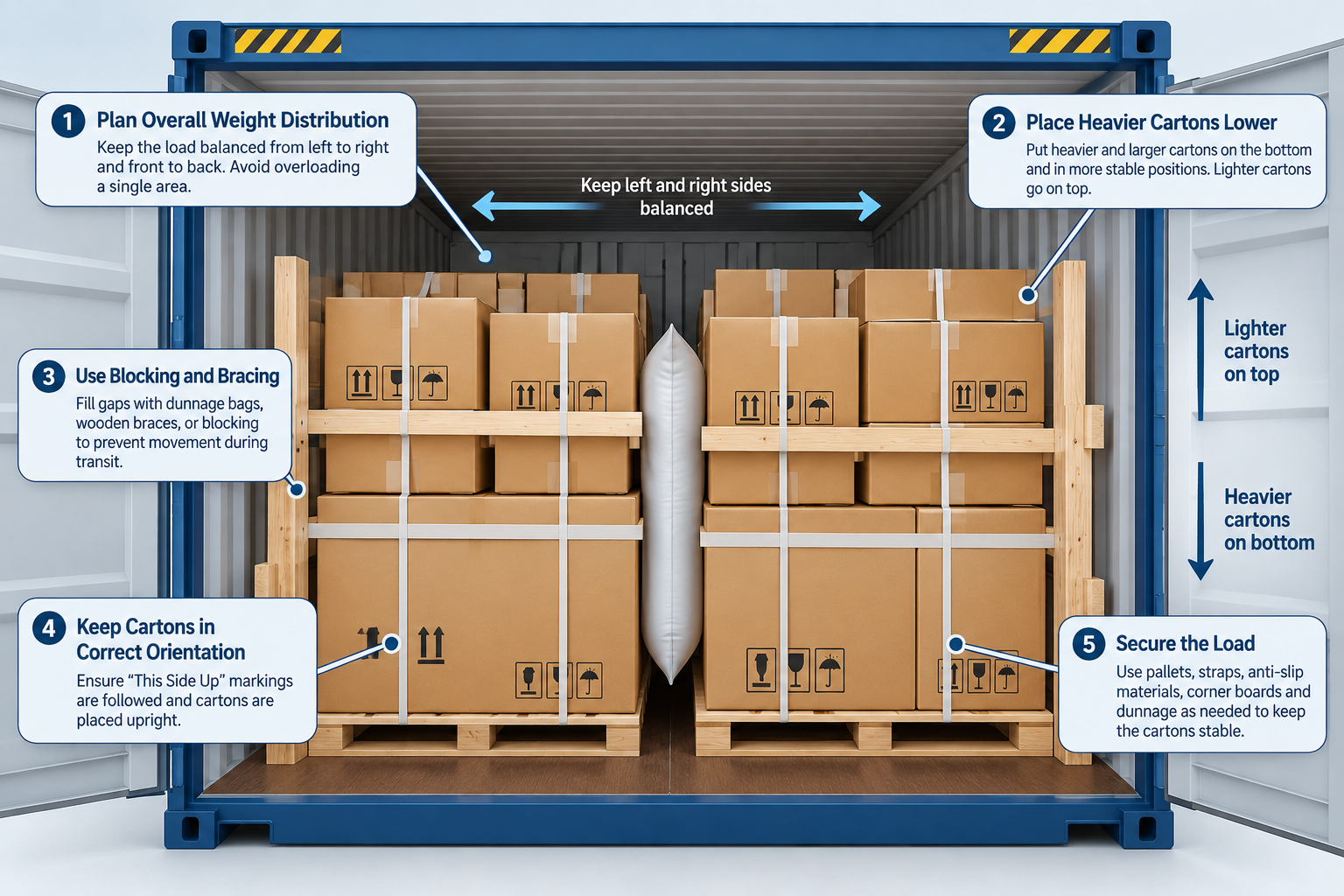
Ask the packer how heavier cartons are positioned, how packages are oriented, and how the load is braced or restrained.
Final review before confirming your mix
- Do the model, color and electrical details match the selected products?
- Are packed dimensions, gross weights and any separate accessory boxes recorded?
- Does the loading drawing match the same carton list and proposed mix?
- Does the plan address orientation, weight distribution and restraint?
- Do the packing list and shipping documents describe the same cartons?
If a detail changes, request an updated carton list and loading drawing. For more sourcing questions, read our Massage Chair Manufacturer FAQ or see Full-Body Massage Chairs.
Send Sweet Home your model–color sheet and destination requirements to discuss a container plan for your actual chair mix.
Need a container plan for your chair mix?
Send your model–color sheet, packed-carton details and destination market.